
 Image 1 of 2
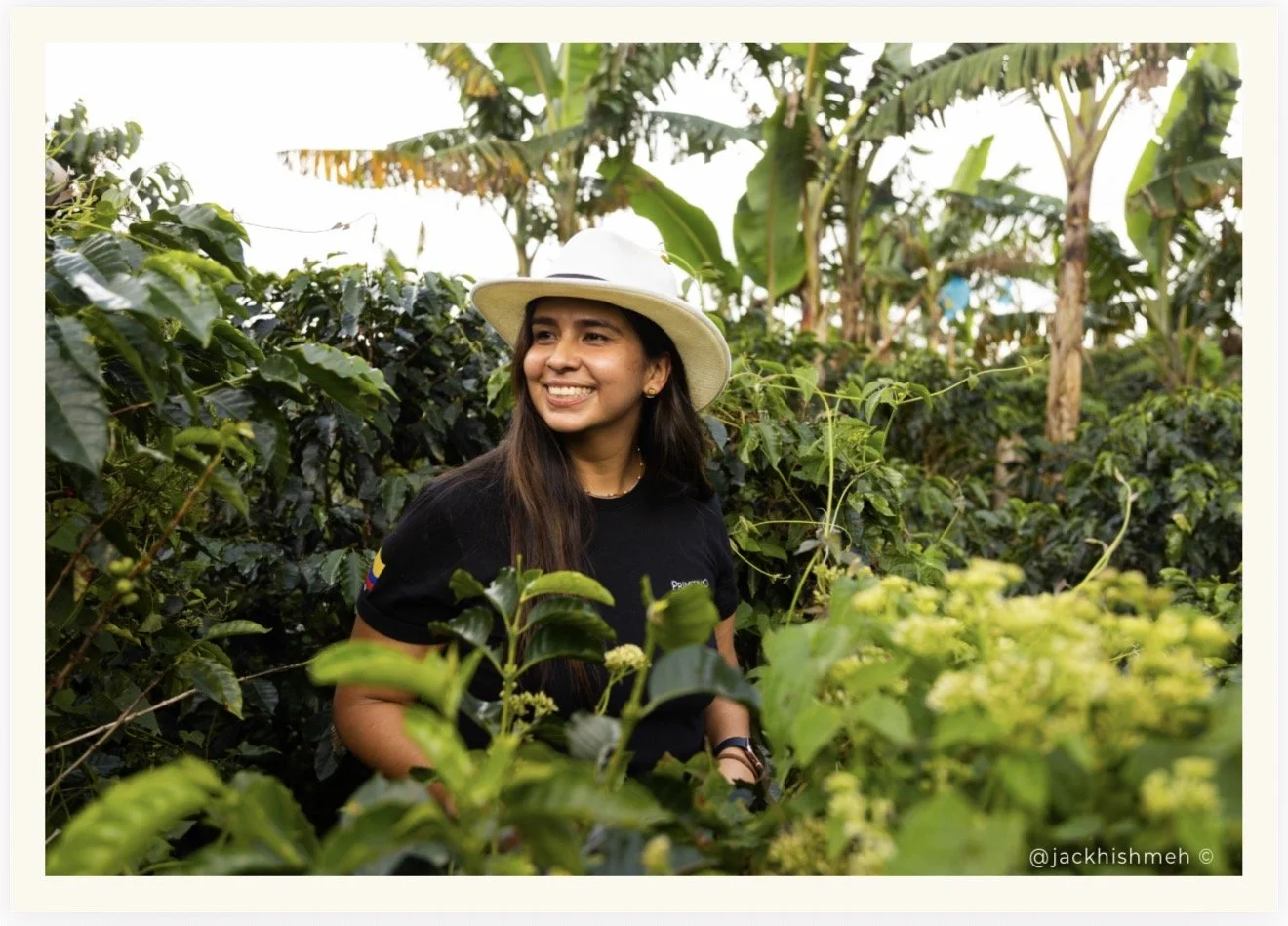 Image 2 of 2
Tasting experience: Mandarin, Mint, Anise, Black Tea
Country: Colombia
Producer: Ana Maria Donneys
Farm/Lot: Villa Libia
Roast: Light
Process: Honey “Green Mist”
Varietal: Caturra
Elevation: 1,450 MASL (meters above sea level)
From Yellow Rooster:
Green Mist
"This process, dubbed Green Mist by the Primitivo team, uses two stages of fermentation inside sealed tanks filled with carbon dioxide gas (CO2), so there’s no oxygen. A special starter liquid full of yeast is added to guide the fermentation. These are natural, wild yeasts identified as native to the farm, with which the Primitivo team creates a supercharged colony to add to the mossto, which is then added to the cherry mass. The first stage lasts 24 hours. The yeast helps turn the natural sugars in the coffee cherries into flavor compounds that make the coffee taste fruity and floral. The lack of oxygen keeps the flavors clean and bright, especially with citrus-like acidity (like lemon or orange). The coffee is then pulped and put back into a fermentation tank, oxygen-free. During the longer second stage (the last 72 hours), the coffee’s sugars are broken down even more. This gives the microbes more energy to work with, helping build a fuller body and balanced acidity."
Tasting experience: Mandarin, Mint, Anise, Black Tea
Country: Colombia
Producer: Ana Maria Donneys
Farm/Lot: Villa Libia
Roast: Light
Process: Honey “Green Mist”
Varietal: Caturra
Elevation: 1,450 MASL (meters above sea level)
From Yellow Rooster:
Green Mist
"This process, dubbed Green Mist by the Primitivo team, uses two stages of fermentation inside sealed tanks filled with carbon dioxide gas (CO2), so there’s no oxygen. A special starter liquid full of yeast is added to guide the fermentation. These are natural, wild yeasts identified as native to the farm, with which the Primitivo team creates a supercharged colony to add to the mossto, which is then added to the cherry mass. The first stage lasts 24 hours. The yeast helps turn the natural sugars in the coffee cherries into flavor compounds that make the coffee taste fruity and floral. The lack of oxygen keeps the flavors clean and bright, especially with citrus-like acidity (like lemon or orange). The coffee is then pulped and put back into a fermentation tank, oxygen-free. During the longer second stage (the last 72 hours), the coffee’s sugars are broken down even more. This gives the microbes more energy to work with, helping build a fuller body and balanced acidity."